


The coastline in late August is, for one specific kind of traveller, the only place to be. The crowds are thinner. The water is its deepest blue. The light at six in the evening is unrepeatable elsewhere — a flat amber that softens the colour of pink stone and turns white linen into something closer to gold.
a fishing village, first morning
You arrive by train from port, twenty-five minutes south. The town is built into a cliff, fishing boats stacked against the harbour wall, houses painted in the dust-rose and terra colours of the maritime republics. There is one café you should sit at — Bar Primula, on the corner of Via Garibaldi — and one focaccia you should eat, which is from the bakery a hundred metres west of the church.
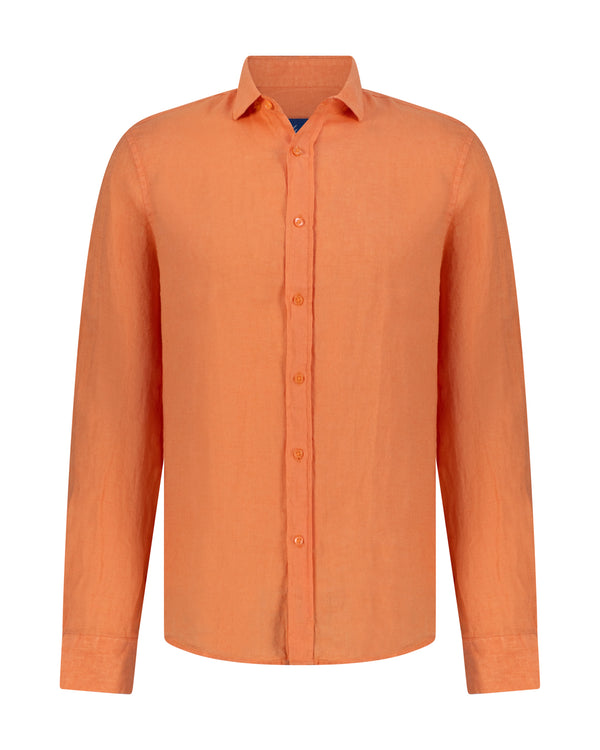
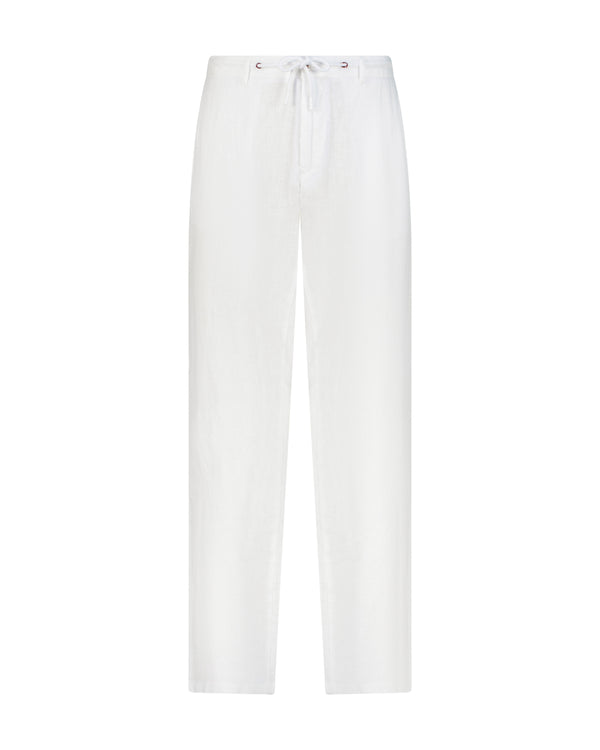
What to wear: linen, always linen. A button-down rolled at the cuffs. Trousers that crease — that is what trousers are supposed to do here. Tan loafers without socks. The point of dress on this coast is not to be noticed; the point is to dissolve into it.
The road to the harbor town
Take the bus, or — better — walk it. The path from the coast town to the harbor town is one of the most photographed in the world for a reason: it follows the cliff above the sea for an hour, through olive grove and pine forest, with the harbour appearing and disappearing as you turn each headland.
If you're going to dress for one moment of your life, dress for the late afternoon in the harbor town.
What we packed
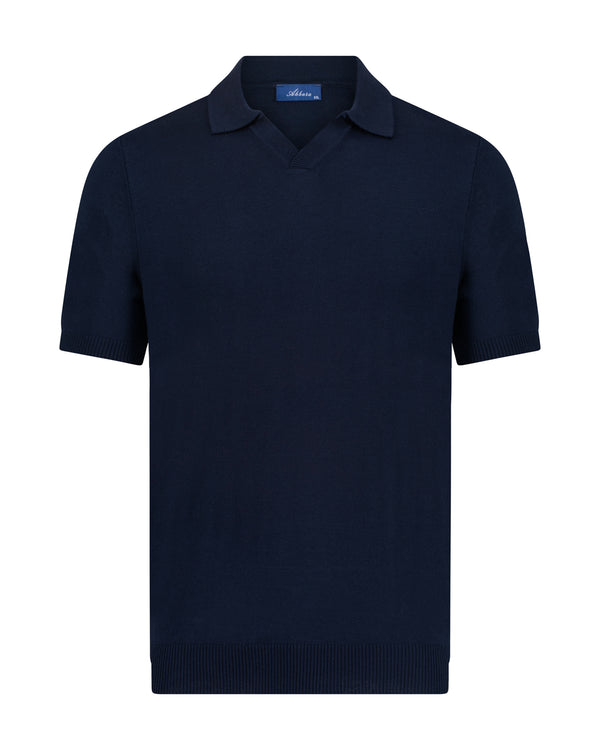
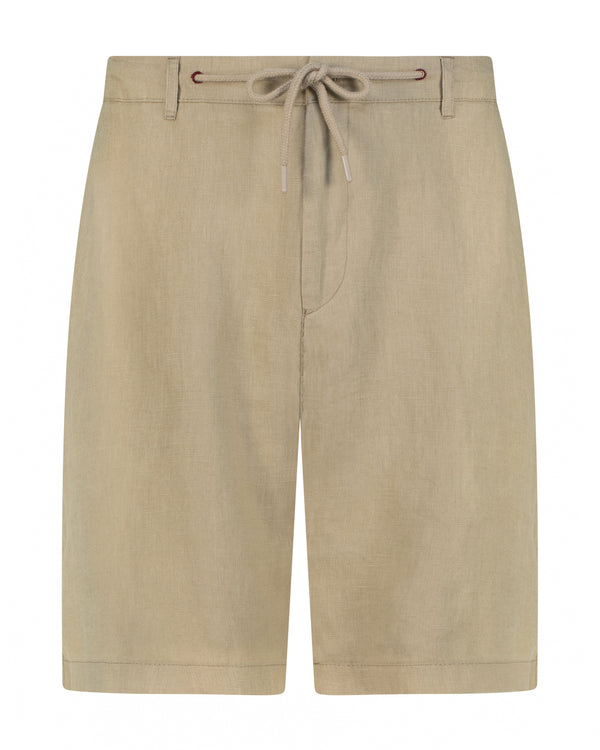
Three shirts (one white linen, one navy chambray, one cream — for the one evening you decide to be photographed). Two pairs of trousers (one cotton, one wool-linen blend for the cooler evenings on the hill). One light knit. A swim short. A pocket square. A canvas bag for the morning bakery, and the same bag, refilled, for the afternoon market.
And then — and this is the only luxury that matters — leave everything else at home. Pack for the trip you are taking, not the trip you might take. That is what a voyage is.