
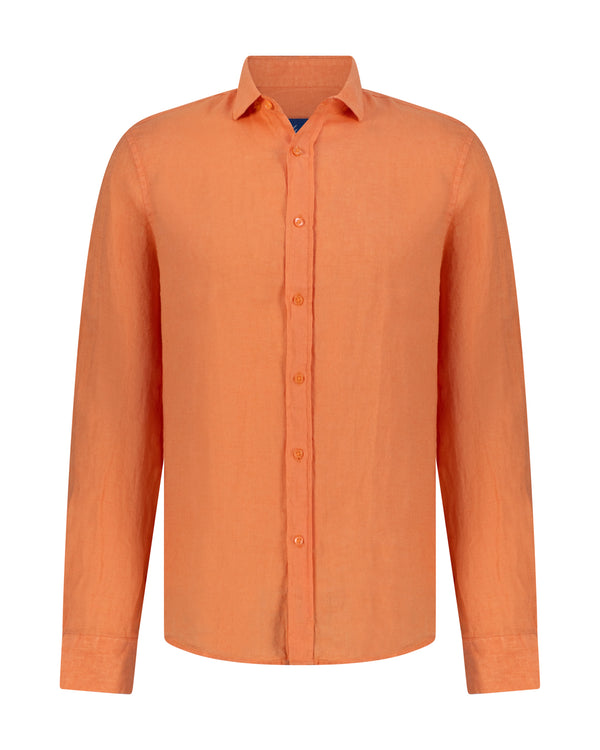
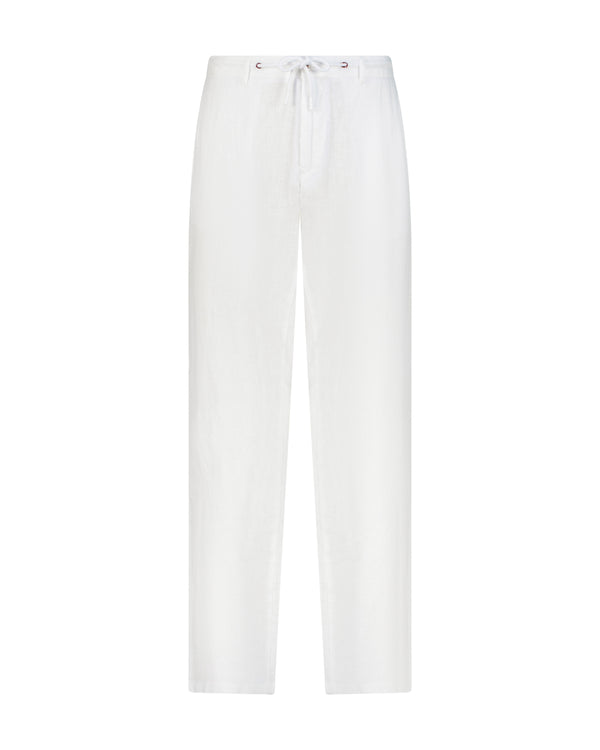
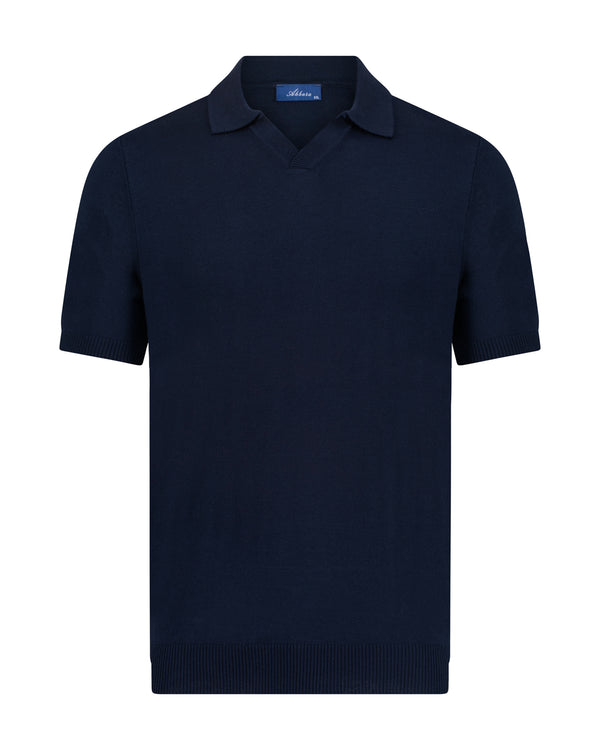
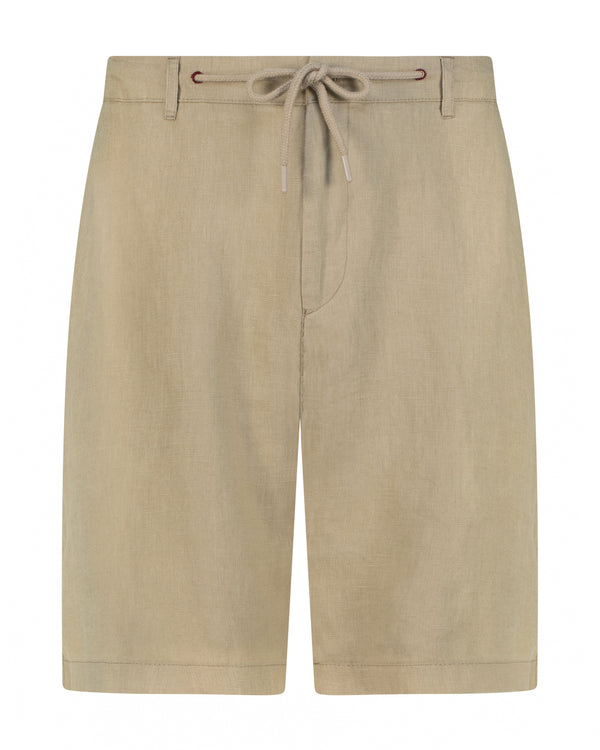


We will repair anything we have made, for as long as the cloth holds. There is no time limit on this. There is no fee. Send the piece back; we will look at it; we will tell you what we recommend; we will do the work and return it.
This is not a marketing gesture. It is a philosophy, and it has implications for how the clothes have to be designed in the first place.
Why repair, not replace
The most sustainable garment is the one already in your wardrobe. Every piece of clothing that does not need to be made — because the one before it is still working — represents water saved, fibre uncut, dye unmixed, transport unused. The single largest lever a clothing house can pull on its environmental footprint is to make things that last a long time. Everything else is decoration.
Lasting a long time is not, however, only a question of materials. A shirt cut from the best cotton, sewn poorly, will fail at the seams in a year. A jacket made of the finest cashmere, but designed with no allowance for the elbow to wear through, becomes unwearable as soon as the elbow wears through. Longevity is a design decision.
What we repair
The common ones: re-cuffing a shirt (around year three or four for a well-loved white). Replacing buttons. Re-binding a buttonhole. Letting out or taking in a trouser. Re-lining a jacket where the lining has worn through. Patching an elbow with the original cloth from the cutting room — we keep the offcuts, indexed by season, for exactly this reason.
If we made it, we know how to fix it. That is the only true test of a workshop.
How to send something back
Email the studio. Tell us what's happened to the piece. We'll send you a return label, and we'll have your piece back to you in three weeks, sometimes sooner. The cloth might have changed hand a few times by then. That is the point.
We have a small archive of pieces that have come back to us multiple times — a shirt from our first collection that has been re-cuffed twice, re-collared once, and is now on its seventh year of wear. It looks better than the day it left us. That is what we are trying to make.